Whether you’re baking a simple batch of cookies or crafting an elaborate dessert, precise measurements can make the difference between success and failure in the kitchen. One of the most common measurement dilemmas that home cooks and bakers face is how to convert tablespoons to grams — especially when dealing with sugar.
In the United States and some other countries, recipes often use volume-based measurements like tablespoons. However, professional bakers and recipes from regions such as Europe typically prefer weight-based units like grams for their accuracy and consistency. This discrepancy can lead to confusion and mistakes, particularly when it comes to sugar, which can vary in weight depending on its type and how it’s packed.
Sugar is one of the most essential ingredients in cooking and baking. But did you know that a tablespoon of sugar doesn’t always equal the same number of grams? That’s right — the weight of sugar per tablespoon changes depending on whether you’re using granulated sugar, brown sugar, powdered sugar, or another variety. That’s why learning how to convert tablespoons to grams accurately is crucial for anyone striving for precision in the kitchen.
This comprehensive guide will walk you through everything you need to know about converting tablespoons to grams for sugar. From understanding sugar density to using proper kitchen tools and conversion tables, we’ll help ensure that your sweet treats come out just the way you want them.
By the end of this article, you’ll no longer have to guess or hope that you’re adding the right amount of sugar to your recipe. Instead, you’ll be equipped with the knowledge and tools to confidently convert tablespoons to grams—whether you’re baking for fun or cooking for a crowd.
Let’s dive in and break down why this conversion matters, how it works, and how you can master it like a pro.
1. Why Convert Tablespoons to Grams for Sugar?
When following recipes, especially those found online or in cookbooks from different countries, you’ll often run into a mix of volume and weight measurements. This inconsistency can be confusing, especially when precision is required. That’s why knowing how to convert tablespoons to grams is not just a handy trick — it’s a fundamental skill for reliable and consistent results, particularly with sugar.
Volume vs. Weight: What’s the Difference?
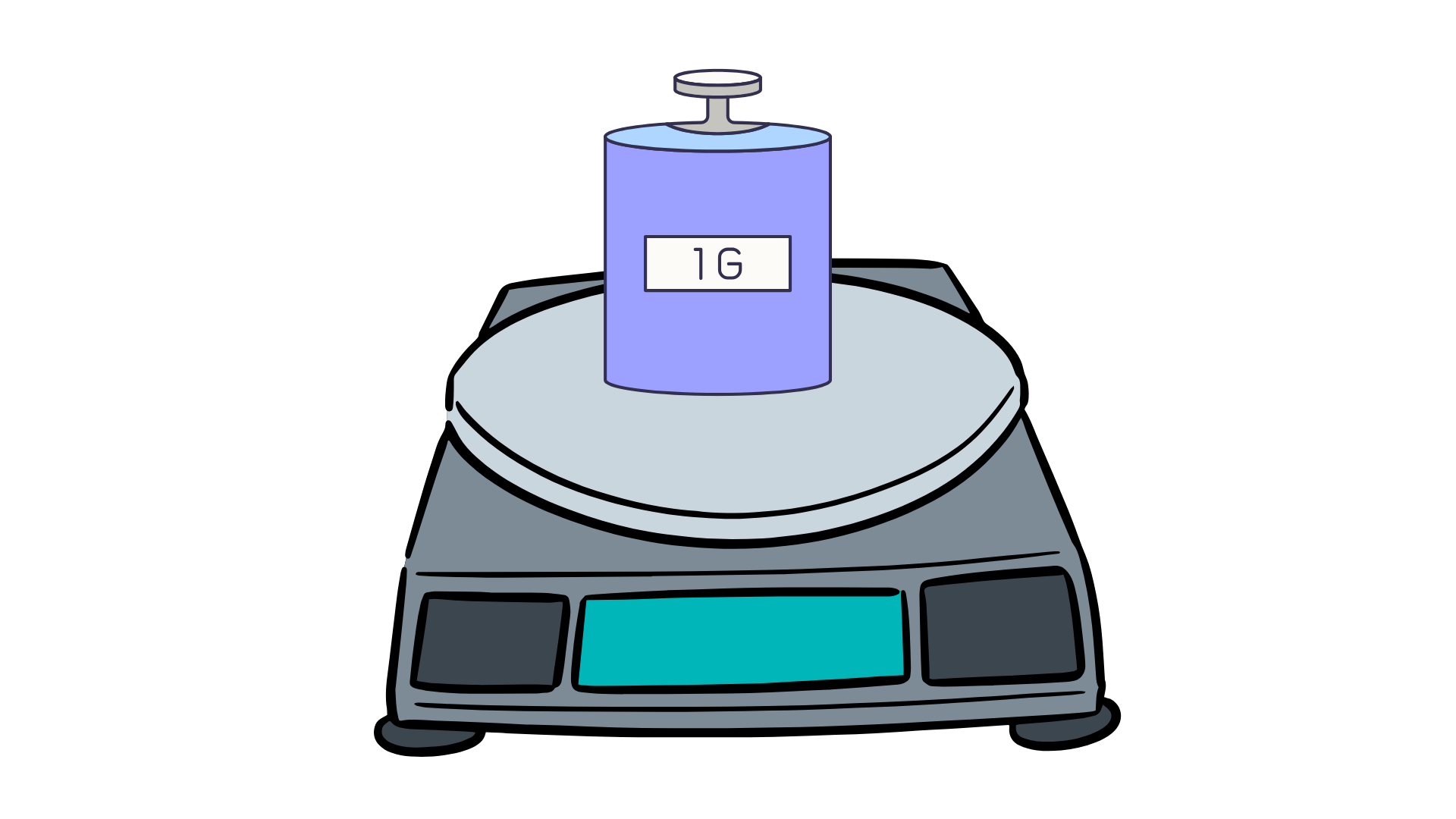
A tablespoon is a volume measurement — it tells you how much space an ingredient takes up. On the other hand, a gram is a weight measurement — it tells you how heavy an ingredient is. The challenge with using volume is that ingredients like sugar can be packed differently depending on the individual measuring. One person might scoop a heaping spoon, while another levels it off. This small difference can throw off a delicate recipe.
Grams eliminate this inconsistency by measuring the actual mass of the ingredient, giving you far more accuracy and repeatability — essential in baking, where chemical reactions depend on exact proportions.
Why Sugar is Particularly Tricky
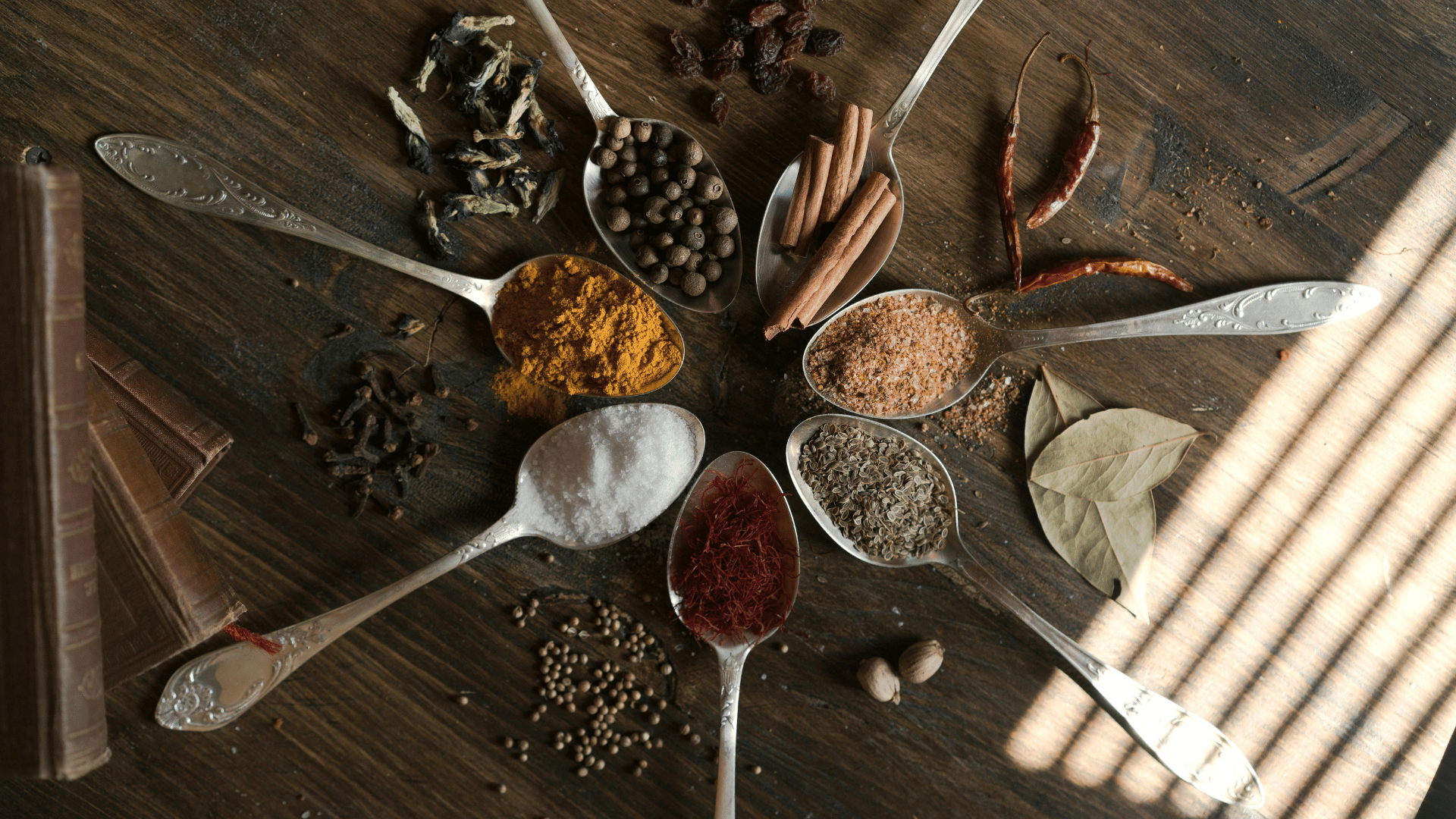
Unlike liquids, sugar doesn’t always settle evenly in a spoon. Different types of sugar have different densities. For example:
-
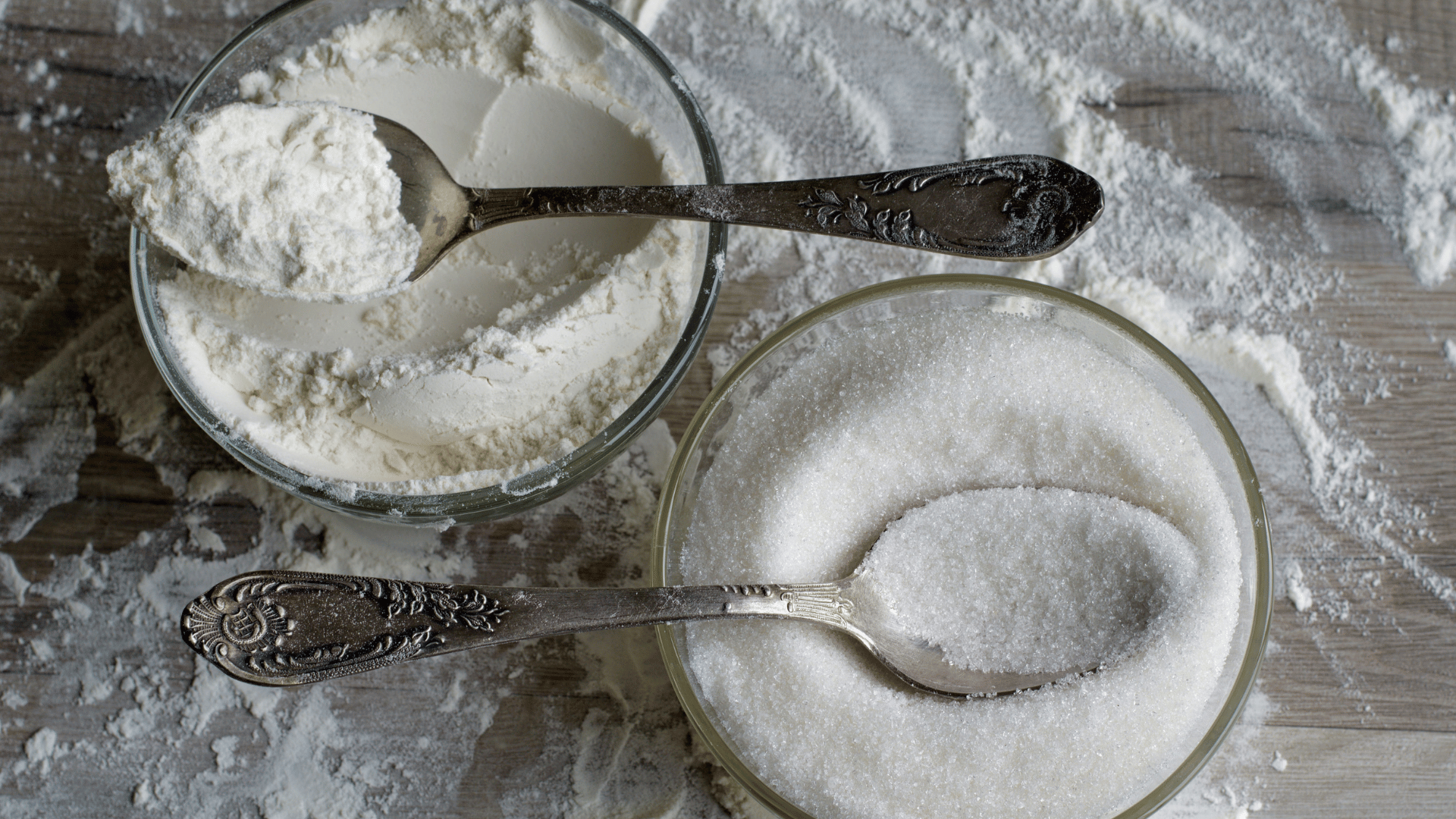
Granulated sugar flows freely and fills a spoon loosely.
-
Brown sugar is sticky and often packed down.
-
Powdered sugar is fine and airy, making it weigh less by volume.
This means that one tablespoon of each type of sugar can vary significantly in weight — making conversions essential. Knowing how to convert tablespoons to grams lets you apply the right amount of sugar, no matter which kind you’re using.
Global Recipes Require It
Recipes from the U.S. might list “2 tablespoons of sugar,” while those from the UK, Australia, or Europe might say “25 grams of sugar.” Without knowing how to convert tablespoons to grams, you might misinterpret the quantities — and your recipe might not turn out as intended.
The Bottom Line
If you’re serious about getting your recipes right, especially in baking, you need to convert tablespoons to grams. It ensures you’re using the correct amount of sugar every time, no matter the recipe’s origin or sugar type. It’s a small step that leads to big improvements in taste, texture, and success.
3. Understanding Sugar Types and Their Densities
To accurately convert tablespoons to grams, especially when working with sugar, it’s essential to understand that not all sugar is created equal. Different types of sugar have different densities, which means that one tablespoon of sugar can vary significantly in weight depending on the type you’re using.
Knowing the characteristics and weight per tablespoon of each sugar type will help you achieve accurate conversions and, in turn, better baking results.
Common Sugar Types Used in Recipes
Let’s take a closer look at the most common sugars and how much each typically weighs per tablespoon:
| Sugar Type | Weight (1 tbsp) |
|---|---|
| Granulated Sugar | ~12.5 grams |
| Brown Sugar (light/dark, packed) | ~13.5–15 grams |
| Powdered Sugar (Confectioners’) | ~7.5 grams |
| Caster Sugar | ~12 grams |
| Turbinado Sugar (Raw) | ~13 grams |
Granulated Sugar
-
Description: The most commonly used sugar in kitchens, made from refined sugar cane or sugar beets.
-
Weight: 1 tablespoon ≈ 12.5 grams
-
Use: Baking, coffee, sauces, and general sweetening.
Granulated sugar flows easily and fills the spoon uniformly, making it one of the most reliable sugars for converting tablespoons to grams.
Brown Sugar (Light and Dark)
-
Description: Granulated sugar combined with molasses; moist and sticky.
-
Weight: 1 tablespoon ≈ 13.5 to 15 grams (when packed)
-
Use: Cookies, brownies, barbecue sauces, and rich desserts.
Brown sugar is typically packed into the spoon, which makes it heavier. If a recipe calls for a “packed tablespoon,” this directly affects your grams when you convert tablespoons to grams.
Powdered Sugar (Confectioners’ Sugar)
-
Description: Finely ground granulated sugar mixed with a small amount of cornstarch.
-
Weight: 1 tablespoon ≈ 7.5 grams
-
Use: Frostings, dustings, and light pastries.
Because it’s light and fluffy, powdered sugar weighs much less per tablespoon than granulated sugar — a key detail when converting accurately.
Caster Sugar (Superfine Sugar)
-
Description: Finer than granulated sugar but not as fine as powdered.
-
Weight: 1 tablespoon ≈ 12 grams
-
Use: Meringues, mousses, and delicate desserts.
Caster sugar dissolves quickly, making it ideal for recipes requiring smooth textures. Its density is slightly lower than standard granulated sugar.
Turbinado Sugar (Raw Sugar)
-
Description: Less refined, coarse crystals with a golden color.
-
Weight: 1 tablespoon ≈ 13 grams
-
Use: Toppings for baked goods, oatmeal, and beverages.
The larger crystals make it less compact in a spoon, but it still weighs more than powdered sugar. Always adjust accordingly when you convert tablespoons to grams for turbinado sugar.
Conclusion for This Section
Understanding sugar type is the first step in mastering how to convert tablespoons to grams. A one-size-fits-all approach won’t work — instead, pay attention to the sugar type and use the correct conversion factor to ensure accuracy in your baking and cooking.
3. Conversion Formula: Tablespoons to Grams

Once you understand that different sugars have different weights per tablespoon, it becomes clear that there’s no single universal answer when you need to convert tablespoons to grams. However, by applying the correct conversion factor based on the sugar type, you can achieve highly accurate measurements every time.
The General Formula
To convert tablespoons to grams, use this basic formula:
Grams = Tablespoons × Conversion Factor
-
The conversion factor is the number of grams in 1 tablespoon for a specific sugar type.
-
You must know the sugar type before applying this formula.
Common Conversion Factors by Sugar Type
| Sugar Type | 1 Tablespoon (tbsp) = Grams |
|---|---|
| Granulated Sugar | 12.5 g |
| Brown Sugar (packed) | 13.5–15 g |
| Powdered Sugar | 7.5 g |
| Caster Sugar | 12 g |
| Turbinado Sugar | 13 g |
Practical Conversion Examples
Let’s apply the formula using different sugar types:
Example 1: Granulated Sugar
You need 3 tablespoons of granulated sugar.
Use the conversion factor: 12.5 g per tbsp.
Grams = 3 × 12.5 = 37.5 grams
Example 2: Brown Sugar (packed)
You need 2 tablespoons of packed brown sugar.
Assume a factor of 14 g per tbsp.
Grams = 2 × 14 = 28 grams
Example 3: Powdered Sugar
You want to convert 5 tablespoons of powdered sugar.
Grams = 5 × 7.5 = 37.5 grams
As you can see, the same number of tablespoons results in very different gram values depending on the sugar type. That’s why accurate conversion matters.
Why You Shouldn’t Use a Generic “One Size Fits All” Value
Using a rough average like “1 tbsp = 12 grams” might work for granulated sugar but can cause problems if you’re using powdered sugar or packed brown sugar. Small differences in weight can add up, especially in sensitive recipes like macarons, candy, or frosting.
If you want consistent results every time, the key is to always convert tablespoons to grams based on the exact sugar type you’re using.
4. Quick Reference Tables for Common Sugar Conversions
If you’re short on time or simply want an easy way to convert your sugar measurements, these quick reference tables are your best friend. Whether you’re using granulated sugar, brown sugar, powdered sugar, or another type, these tables let you quickly convert tablespoons to grams without doing any math.
To make it easy, each table below shows the equivalent gram values for 1 to 10 tablespoons of sugar, depending on the type. Bookmark this page or print it out to keep in your kitchen.
🔹 Granulated Sugar Conversion Table
| Tablespoons | Grams |
|---|---|
| 1 tbsp | 12.5 g |
| 2 tbsp | 25 g |
| 3 tbsp | 37.5 g |
| 4 tbsp | 50 g |
| 5 tbsp | 62.5 g |
| 6 tbsp | 75 g |
| 7 tbsp | 87.5 g |
| 8 tbsp | 100 g |
| 9 tbsp | 112.5 g |
| 10 tbsp | 125 g |
Use this table when converting standard white granulated sugar. It’s one of the most consistent sugar types in terms of weight per tablespoon.
🔹 Brown Sugar (Packed) Conversion Table
| Tablespoons | Grams (avg.) |
|---|---|
| 1 tbsp | 14 g |
| 2 tbsp | 28 g |
| 3 tbsp | 42 g |
| 4 tbsp | 56 g |
| 5 tbsp | 70 g |
| 6 tbsp | 84 g |
| 7 tbsp | 98 g |
| 8 tbsp | 112 g |
| 9 tbsp | 126 g |
| 10 tbsp | 140 g |
Remember, this assumes firmly packed brown sugar. Always press the sugar into the spoon until it’s level and compact.
🔹 Powdered (Confectioners’) Sugar Conversion Table
| Tablespoons | Grams |
|---|---|
| 1 tbsp | 7.5 g |
| 2 tbsp | 15 g |
| 3 tbsp | 22.5 g |
| 4 tbsp | 30 g |
| 5 tbsp | 37.5 g |
| 6 tbsp | 45 g |
| 7 tbsp | 52.5 g |
| 8 tbsp | 60 g |
| 9 tbsp | 67.5 g |
| 10 tbsp | 75 g |
Powdered sugar is very light and fluffy, which makes it weigh significantly less than other sugar types per tablespoon.
🔹 Caster Sugar Conversion Table
| Tablespoons | Grams |
|---|---|
| 1 tbsp | 12 g |
| 2 tbsp | 24 g |
| 3 tbsp | 36 g |
| 4 tbsp | 48 g |
| 5 tbsp | 60 g |
| 6 tbsp | 72 g |
| 7 tbsp | 84 g |
| 8 tbsp | 96 g |
| 9 tbsp | 108 g |
| 10 tbsp | 120 g |
Caster sugar dissolves quickly and is often used in delicate desserts. Its density is slightly lower than granulated sugar.
🔹 Turbinado Sugar (Raw Sugar) Conversion Table
| Tablespoons | Grams |
|---|---|
| 1 tbsp | 13 g |
| 2 tbsp | 26 g |
| 3 tbsp | 39 g |
| 4 tbsp | 52 g |
| 5 tbsp | 65 g |
| 6 tbsp | 78 g |
| 7 tbsp | 91 g |
| 8 tbsp | 104 g |
| 9 tbsp | 117 g |
| 10 tbsp | 130 g |
Because of its larger crystals, turbinado sugar doesn’t pack the same way as brown sugar, but it still weighs more than powdered sugar.
✅ Tip for Accuracy
To ensure these tables remain accurate:
-
Always level off your tablespoon (no heaping).
-
Use the correct sugar type as listed.
-
If using a different sugar not listed, weigh a single tablespoon with a digital kitchen scale to find the correct multiplier.
5. Tools to Convert Tablespoons to Grams Accurately
While conversion tables and formulas are useful, having the right tools in your kitchen can make the process of converting tablespoons to grams even more accurate and stress-free. Whether you’re baking for a special occasion or cooking a quick dessert, investing in a few simple tools can take the guesswork out of measurement.
🧪 1. Digital Kitchen Scale
The most accurate way to convert tablespoons to grams is to skip the volume measurement entirely and weigh the sugar directly.
✅ Benefits:
-
High precision (often measures to 0.1 g)
-
Eliminates variations due to packing or scooping errors
-
Works with all types of sugar and other ingredients
🔧 How to Use:
-
Place a bowl on the scale and tare (zero) it.
-
Add sugar slowly until you reach the desired gram amount (e.g., 25g for 2 tbsp of granulated sugar).
-
That’s it — no spoon conversion required!
🥄 2. Measuring Spoons (for Volume-to-Gram Conversion)
If you don’t have a scale, measuring spoons are the next best option. However, accuracy depends on consistent leveling and correct sugar type.
✅ Tips:
-
Use a flat edge (like a butter knife) to level the spoon.
-
Don’t heap or pack unless the recipe specifies “packed.”
-
For brown sugar, press gently into the spoon to pack it firmly but evenly.
🌐 3. Online Conversion Calculators
There are many reliable cooking converters available online. Just type in something like:
“Convert 3 tablespoons of powdered sugar to grams”
✅ Pros:
-
Fast and convenient
-
Good for a wide range of ingredients
-
Some even include specific sugar types
⚠️ Caution:
-
Make sure you’re selecting the right sugar type in the calculator to avoid errors.
📱 4. Mobile Cooking Apps
Apps like Paprika, Kitchen Stories, and Cookpad often include built-in converters. Some even allow you to toggle between metric and US customary units while scaling recipes.
📝 5. Printable Conversion Charts
For offline use, consider printing the reference tables from the previous section. Laminate them and stick them on your fridge or inside your pantry door.
✅ Summary: Best Tool for Accuracy
| Tool Type | Accuracy | Convenience | Best For |
|---|---|---|---|
| Digital Scale | ★★★★★ | ★★★★☆ | Exact conversions for all types |
| Measuring Spoons | ★★☆☆☆ | ★★★★★ | Quick estimations (less precise) |
| Online Calculators | ★★★★☆ | ★★★★★ | Fast conversions on the fly |
| Mobile Apps | ★★★★☆ | ★★★★★ | Versatile and modern |
| Printable Charts | ★★★☆☆ | ★★★☆☆ | No internet needed |
With the right tools in your kitchen, learning to convert tablespoons to grams becomes second nature. In the next section, we’ll expand your knowledge by including conversions for other common baking ingredients — helping you become even more confident in the kitchen.
6. Conversion Chart for Other Common Baking Ingredients
Now that you’ve mastered how to convert tablespoons to grams for sugar, it’s useful to expand your skills to other key baking ingredients. Many recipes call for ingredients like flour, butter, cocoa powder, or honey — and just like sugar, their density can vary, meaning the gram weight per tablespoon also changes.
Here’s a helpful collection of tablespoon-to-gram conversion charts for common baking ingredients, so you can keep your recipes accurate and your results consistent.
🔸 Flour (All-Purpose)
Flour is light and fluffy, which means it weighs less per tablespoon than sugar.
| Tablespoons | Grams |
|---|---|
| 1 tbsp | 8 g |
| 2 tbsp | 16 g |
| 3 tbsp | 24 g |
| 4 tbsp | 32 g |
| 5 tbsp | 40 g |
✅ Tip: Don’t pack flour. Use the “spoon and level” method for accuracy.
🔸 Butter (Softened or Melted)
Butter is often measured in tablespoons and grams in recipes.
| Tablespoons | Grams |
|---|---|
| 1 tbsp | 14.2 g |
| 2 tbsp | 28.4 g |
| 3 tbsp | 42.6 g |
| 4 tbsp | 56.8 g |
| 5 tbsp | 71 g |
✅ Tip: U.S. butter sticks usually have tablespoon markings.
🔸 Cocoa Powder (Unsweetened)
Used in cakes, brownies, and chocolate sauces — and like flour, it’s light.
| Tablespoons | Grams |
|---|---|
| 1 tbsp | 5 g |
| 2 tbsp | 10 g |
| 3 tbsp | 15 g |
| 4 tbsp | 20 g |
| 5 tbsp | 25 g |
✅ Tip: Always use unsweetened baking cocoa unless otherwise specified.
🔸 Honey
Honey is dense and sticky, much heavier per tablespoon than powdered ingredients.
| Tablespoons | Grams |
|---|---|
| 1 tbsp | 21 g |
| 2 tbsp | 42 g |
| 3 tbsp | 63 g |
| 4 tbsp | 84 g |
| 5 tbsp | 105 g |
✅ Tip: Lightly oil your measuring spoon before measuring honey to prevent sticking.
🔸 Milk (Whole Milk)
While liquids are easier to measure by volume, some recipes use grams.
| Tablespoons | Grams |
|---|---|
| 1 tbsp | 15 g |
| 2 tbsp | 30 g |
| 3 tbsp | 45 g |
| 4 tbsp | 60 g |
| 5 tbsp | 75 g |
✅ Tip: 1 milliliter (ml) of milk ≈ 1 gram, making it easier to estimate.
📌 Why This Section Matters
By learning to convert tablespoons to grams for more than just sugar, you’re gaining full control over your baking — and that leads to:
-
More consistent results
-
Fewer recipe failures
-
Easier scaling and international recipe conversions
These conversion tables help you save time and effort, and they’re especially useful if you’re working from a recipe that mixes metric and US customary units.
7. Common Mistakes to Avoid When You Convert Tablespoons to Grams
Accurately converting tablespoons to grams is essential for baking success, especially with sugar and other sensitive ingredients. However, many people make simple errors that can easily be avoided. Let’s go through the most common mistakes — and how to prevent them — so your conversions stay precise and your results delicious.
❌ 1. Not Accounting for Sugar Type
One of the biggest errors is using the same conversion factor for all types of sugar. A tablespoon of powdered sugar does not weigh the same as a tablespoon of brown sugar or granulated sugar.
✅ Solution: Always check the correct grams-per-tablespoon value based on the sugar type. (Refer back to the tables in Sections 3 and 5.)
❌ 2. Heaping Instead of Leveling
A heaping tablespoon can hold significantly more sugar than a level tablespoon, leading to recipe imbalances — especially in baking, where precision is crucial.
✅ Solution: Use a flat edge (like a butter knife) to level off your tablespoon every time you measure.
❌ 3. Using US vs. UK Tablespoon Sizes Interchangeably
Did you know? A US tablespoon = 14.79 ml, while a UK (metric) tablespoon = 15 ml. While the difference seems small, it can compound when scaling recipes.
✅ Solution: Identify which region your recipe comes from and match your tools accordingly. If in doubt, use a digital scale and weigh in grams.
❌ 4. Packing When You Shouldn’t (Or Not Packing When You Should)
Some ingredients, like brown sugar, are usually measured as packed tablespoons, while others (like granulated sugar) are not.
✅ Solution: Follow the recipe’s instruction. If it says “packed,” press the ingredient firmly into the spoon; if not, keep it loose and level.
❌ 5. Guessing Instead of Weighing
Eyeballing tablespoon measurements and mentally estimating gram equivalents is a recipe for inconsistency.
✅ Solution: Use the conversion formula:
Grams = Tablespoons × Conversion Factor
Or better yet, use a digital kitchen scale for exact results.
❌ 6. Assuming All Ingredients Convert the Same Way
Even though this article focuses on sugar, some users mistakenly apply the same conversion factor to other ingredients like flour, butter, or cocoa powder.
✅ Solution: Each ingredient has a different density and must be converted using its own factor (see Section 7 for others).
❌ 7. Not Updating Old or Inherited Recipes
Some family recipes passed down through generations use ambiguous instructions like “a spoonful of sugar.” But without clarification, that “spoonful” can mean anything.
✅ Solution: When modernizing or scaling recipes, always convert tablespoons to grams using reliable, standardized references.
✅ Final Advice
To consistently convert tablespoons to grams with confidence:
-
Know your sugar type
-
Level every tablespoon
-
Use the right tool
-
Refer to accurate tables
Avoiding these common pitfalls ensures your cooking and baking projects turn out just as intended — with the perfect balance of sweetness every time.
8. FAQ Section: Converting Tablespoons to Grams for Sugar
To help you solidify your understanding and clear up any lingering confusion, here’s a helpful FAQ that answers the most common questions about how to convert tablespoons to grams, especially for sugar.
❓ How many grams are in 1 tablespoon of sugar?
It depends on the type of sugar:
-
Granulated sugar: ~12.5 grams
-
Brown sugar (packed): ~13.5 to 15 grams
-
Powdered sugar: ~7.5 grams
-
Caster sugar: ~12 grams
-
Turbinado sugar: ~13 grams
Always check the specific sugar type before converting.
❓ Why does the weight of sugar change between types?
Each type of sugar has a different density:
-
Powdered sugar is light and airy.
-
Brown sugar is moist and compact.
-
Granulated and caster sugar are somewhere in between.
This variation is why it’s critical to know the sugar type when you convert tablespoons to grams.
❓ Is it more accurate to measure sugar in grams than tablespoons?
Yes. Measuring by weight (grams) is far more accurate than using volume (tablespoons), especially in baking. A tablespoon can be scooped loosely or packed tightly — and that can cause large variations in the amount of sugar.
❓ Can I use the same tablespoon-to-gram conversion for all ingredients?
No. Each ingredient has its own density. For example:
-
1 tbsp of flour ≈ 8 g
-
1 tbsp of honey ≈ 21 g
-
1 tbsp of butter ≈ 14.2 g
You must use ingredient-specific conversion factors.
❓ How do I convert tablespoons to grams without a scale?
If you don’t have a scale:
-
Use a measuring spoon.
-
Reference a reliable conversion chart for the ingredient.
-
Multiply the number of tablespoons by the correct conversion factor.
But for best results, invest in a digital kitchen scale.
❓ What does “packed” mean in tablespoons of brown sugar?
“Packed” means you press the brown sugar firmly into the tablespoon so there are no air gaps. This increases the weight per tablespoon — typically ~14 to 15 grams.
❓ Do UK and US tablespoons differ when converting to grams?
Yes:
-
US tablespoon: 14.79 ml
-
UK/metric tablespoon: 15 ml
The difference is small, but when scaling recipes, using the correct unit helps maintain accuracy when you convert tablespoons to grams.
❓ Can I just estimate sugar using teaspoons?
You can, but teaspoons have the same density challenges. If you’re converting:
-
1 tablespoon = 3 teaspoons
So, for granulated sugar: -
1 teaspoon ≈ 4.2 g
Use caution, and again — a kitchen scale is your best friend.
9. Conclusion
Whether you’re baking a delicate cake, whipping up a batch of cookies, or following an international recipe, the ability to accurately convert tablespoons to grams is a crucial kitchen skill. Sugar, being one of the most commonly used ingredients in cooking and baking, varies widely in density depending on the type — granulated, brown, powdered, or raw. That’s why relying on “one-size-fits-all” conversions just doesn’t cut it.
Throughout this guide, you’ve learned:
-
Why converting between tablespoons and grams matters, especially for sugar.
-
How different types of sugar (granulated, brown, powdered, etc.) affect weight.
-
Practical formulas and real-world examples to make accurate conversions.
-
Handy reference tables for quick lookups.
-
The tools — like digital scales and measuring spoons — that make conversion foolproof.
-
How to avoid common mistakes that can ruin your recipes.
-
The differences between volume and weight and why grams offer more consistency.
Remember: even the smallest measurement error can throw off a recipe — especially in baking, where sugar not only adds sweetness but also affects texture, color, and moisture retention. When you learn to convert tablespoons to grams properly, you take control of the accuracy and consistency of your dishes.
So the next time you find yourself asking, “How many grams are in a tablespoon of sugar?” — you’ll already have the answer. Keep this guide handy, refer to the charts, and consider using a digital scale for best results. Your cookies, cakes, and pastries will thank you.